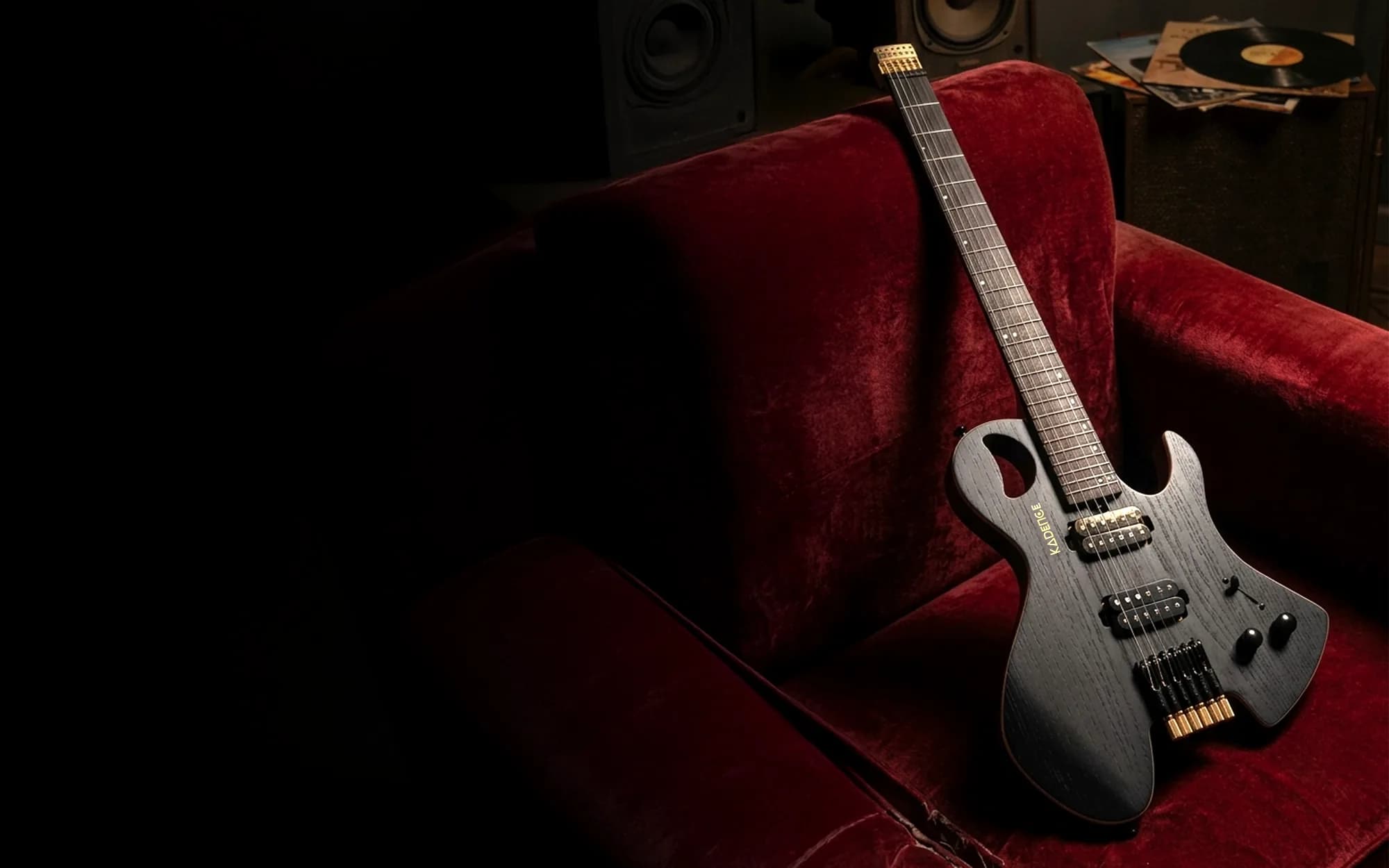

A headless guitar looks like someone forgot to finish it. There is no headstock and no row of tuning pegs at the top, and the neck simply ends. Most people who search for one are really asking the same thing: what is the point, besides its bewitching looks, of course?
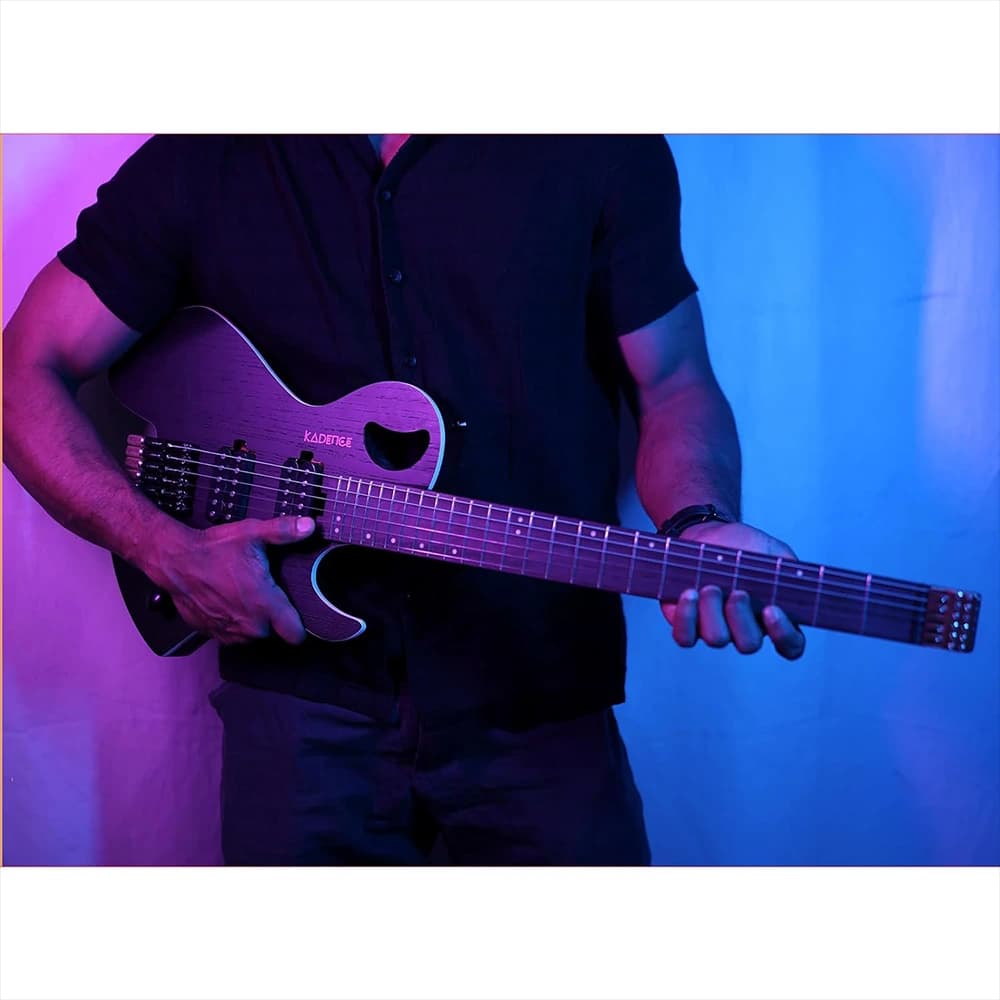
- A headless guitar moves the tuners from the top of the neck to the bridge. With no headstock, it balances better on a strap and the neck does not dip.
- It suits players who move around while playing, lean towards rock or metal, or spend a lot of time on the high frets.
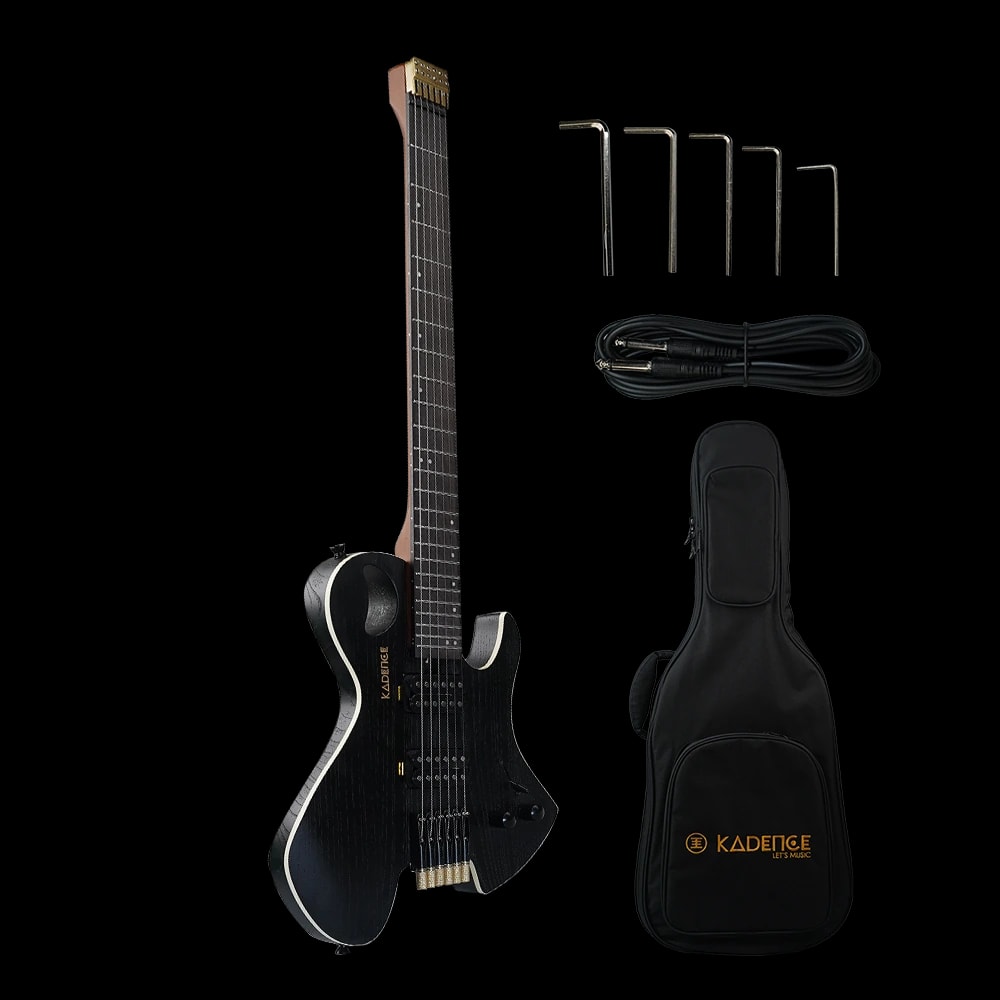
- Before you buy one, check for a solid body, 24 frets, humbuckers and whether it takes regular strings. Our Kadence HL01 (₹22,999) ticks every box.
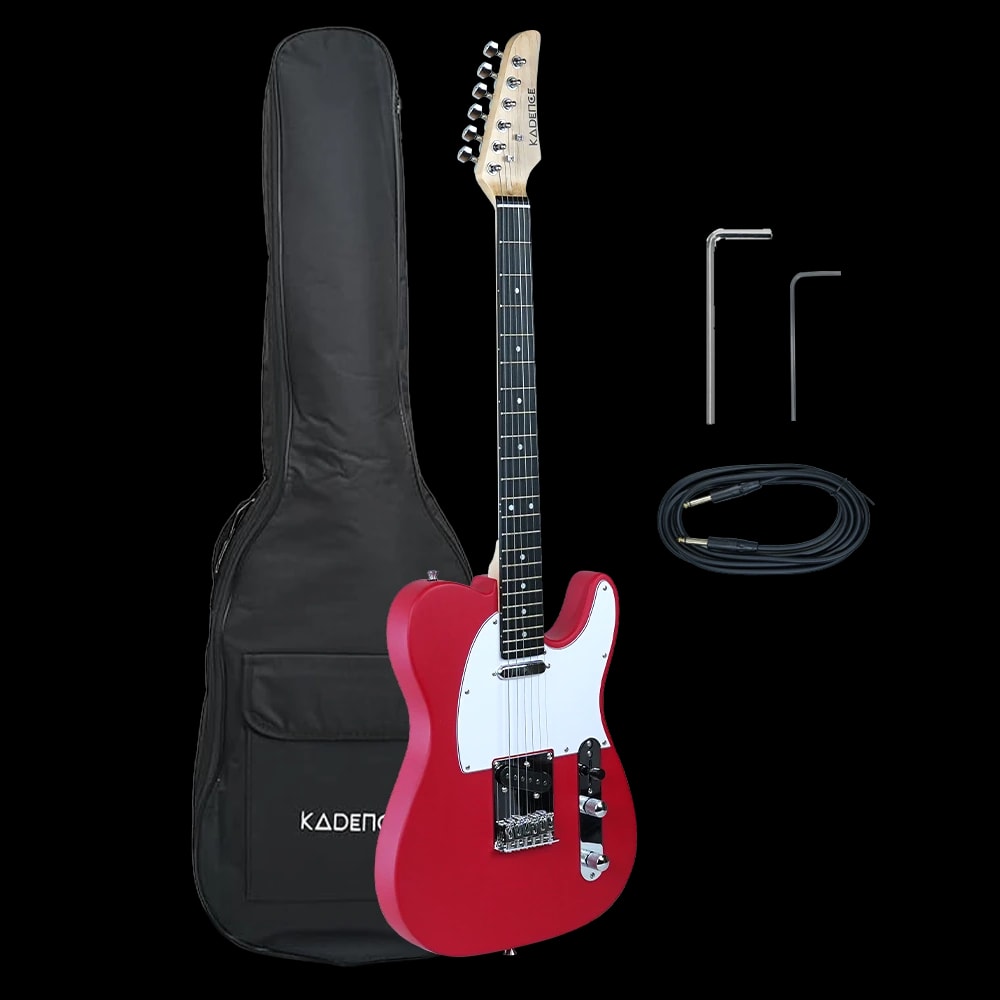
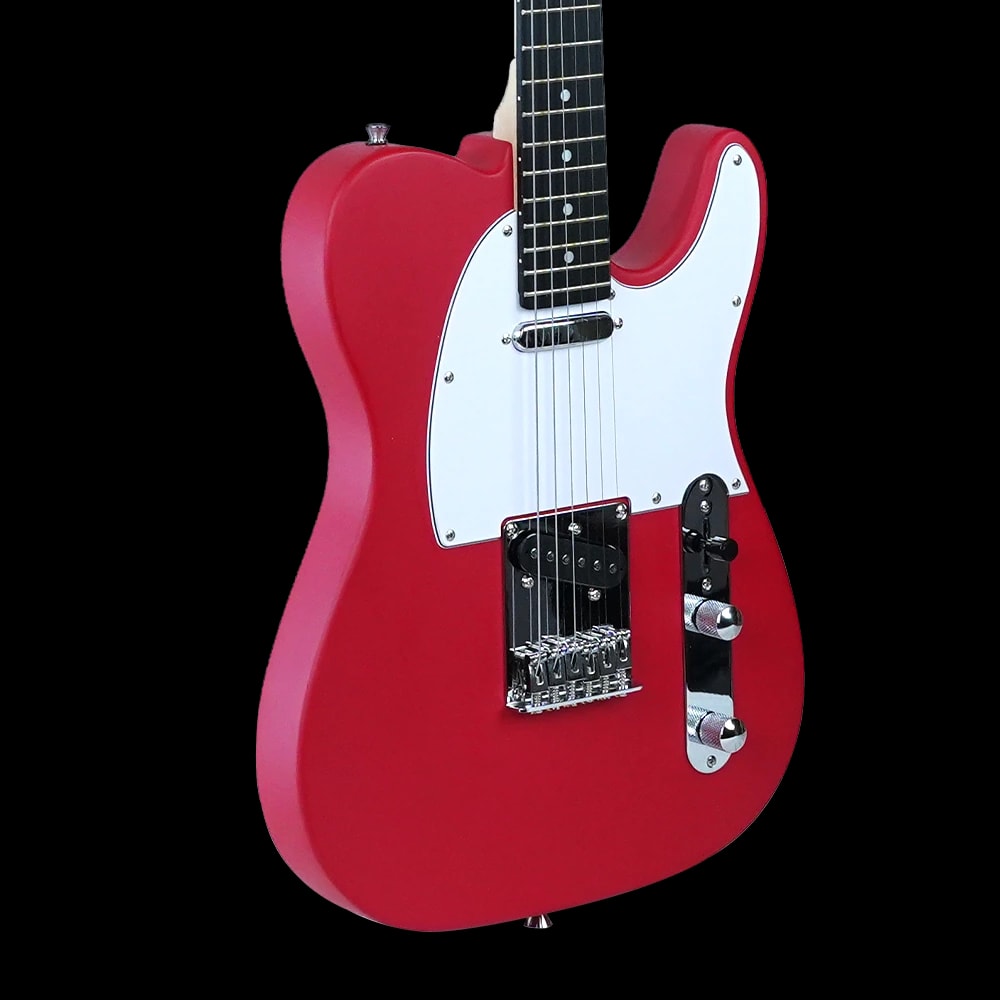
- If you are just starting out, a regular electric like the Tennessee T-style at ₹9,999 makes more sense.
Quick answer: which one should you buy?
A headless guitar suits players who move around while playing, lean towards rock or metal, or spend a lot of time on the high frets.
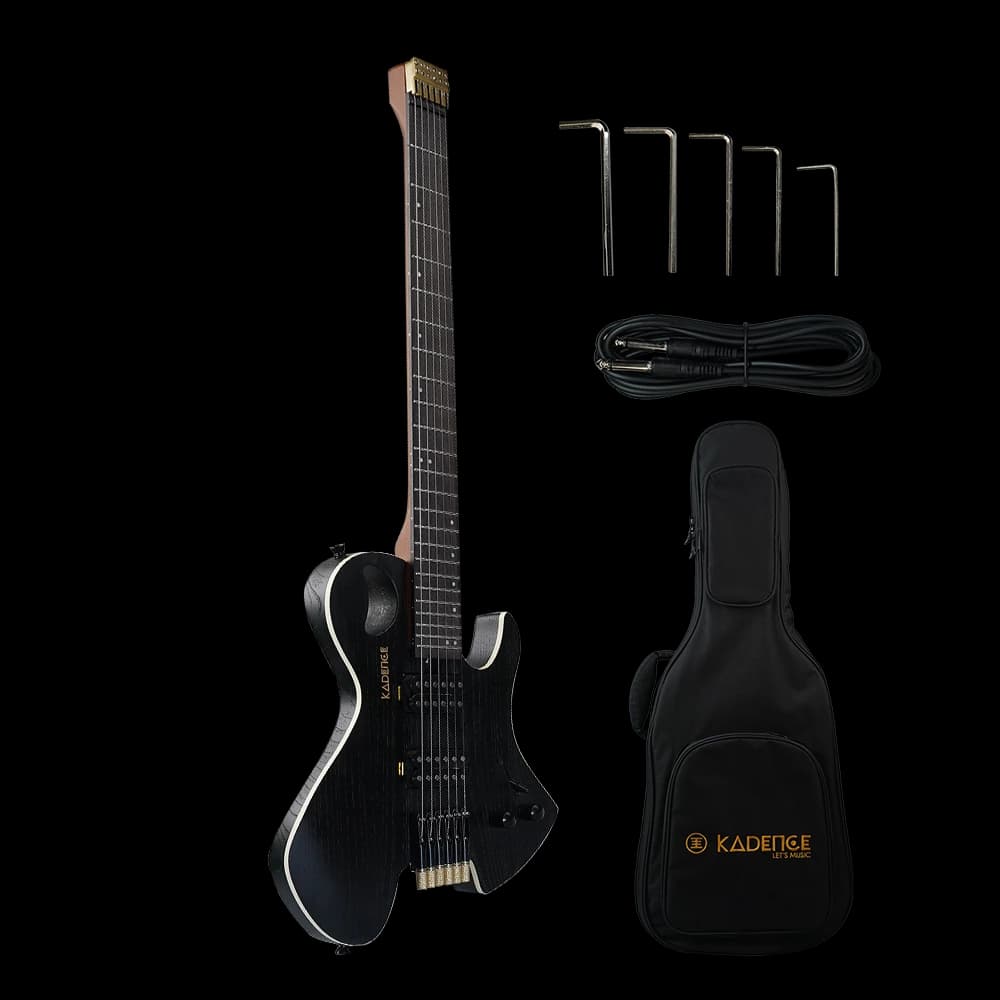 Our headless pick
HL01
₹22,999
₹34,999Moving up from your first guitar. Solid ash body, 24 frets, two humbuckers, takes regular strings.
View HL01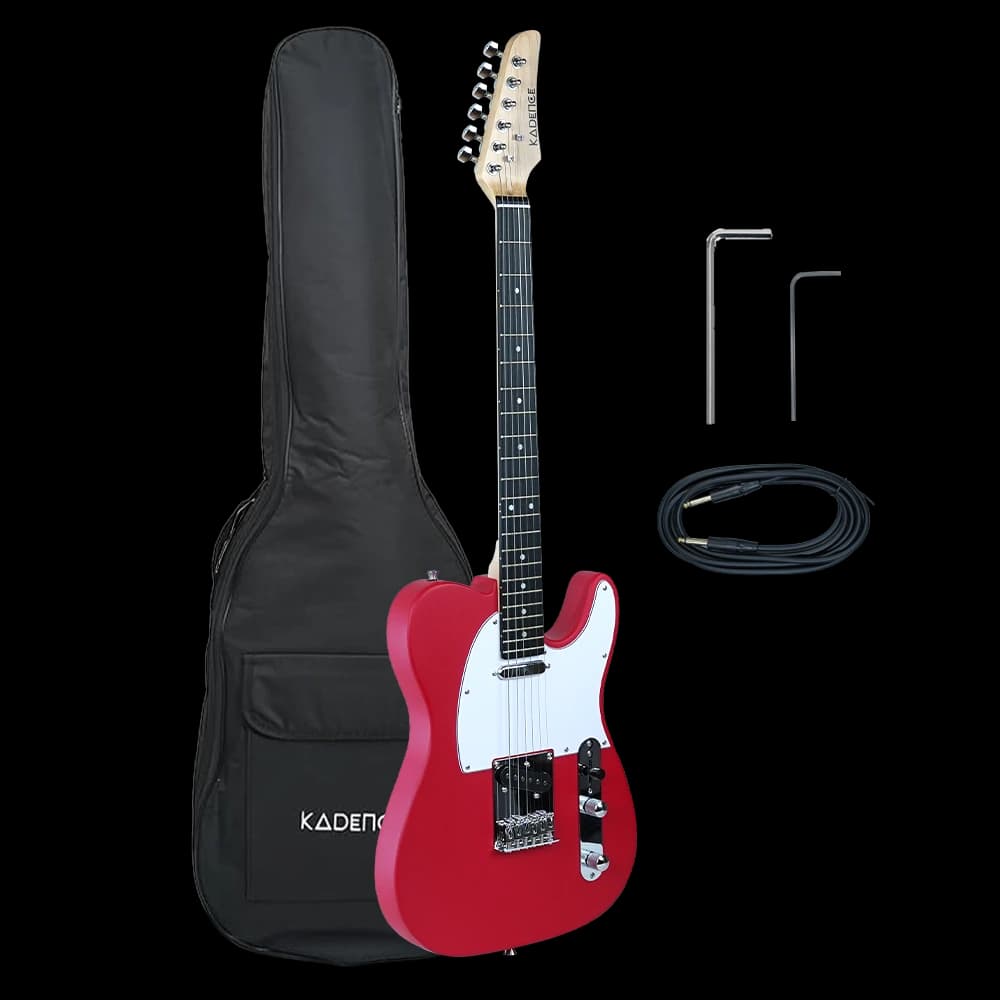 First electric, simplest
Tennessee T-style
₹9,999
₹19,999Just starting out. A regular electric with two single-coil pickups and a fixed bridge.
View Tennessee T-style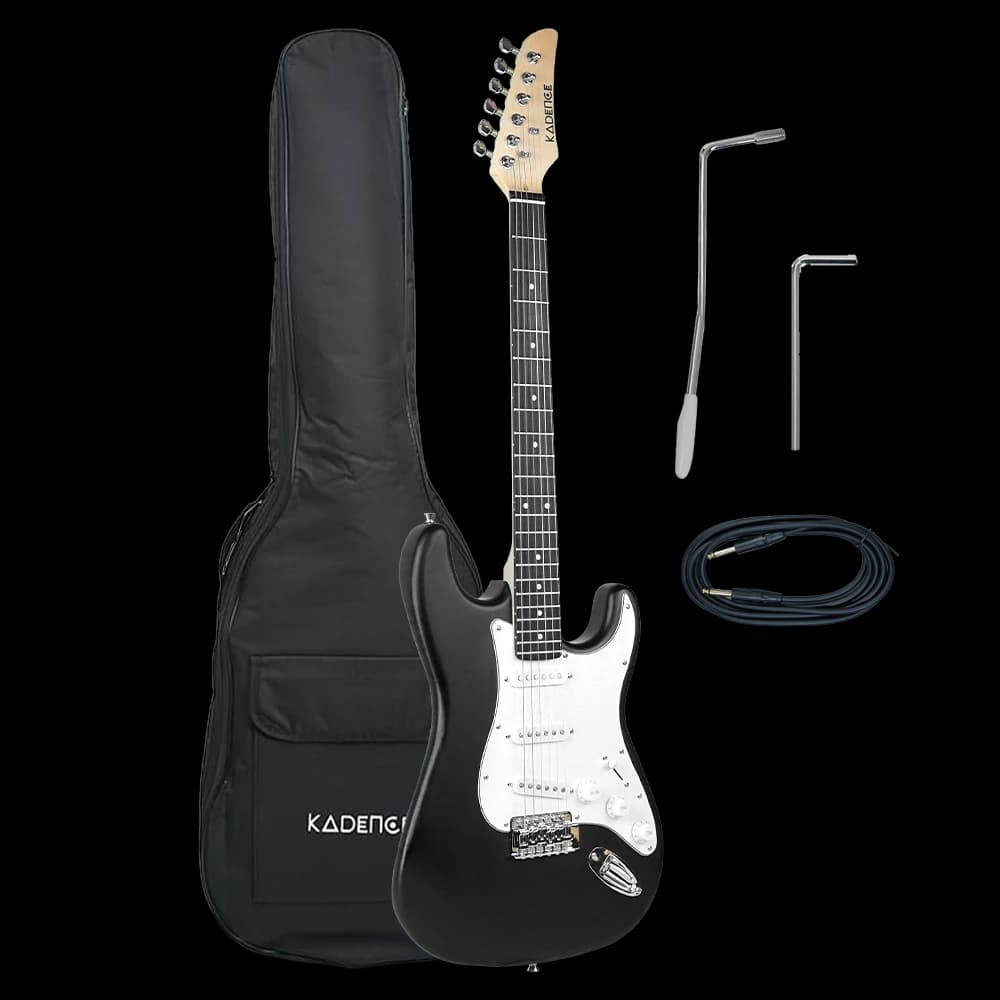 First electric, more sounds
Tennessee S-style
₹10,499
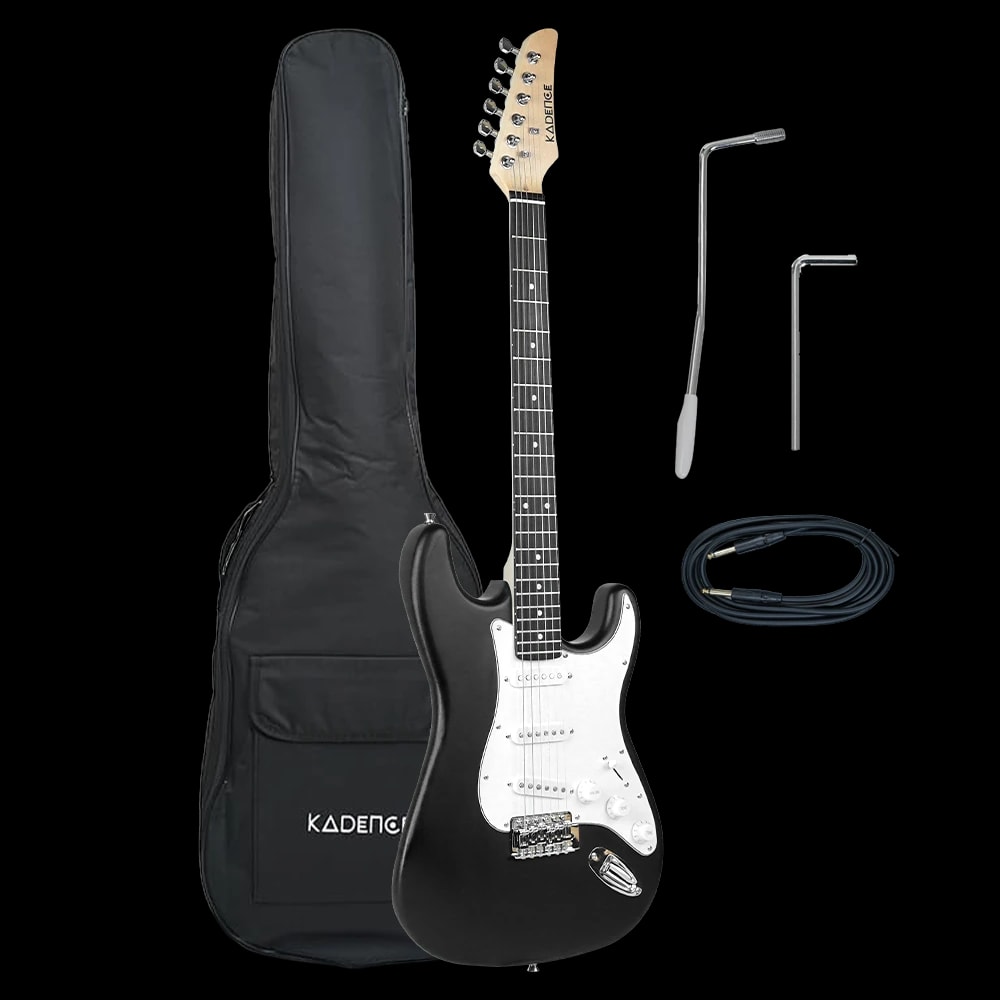
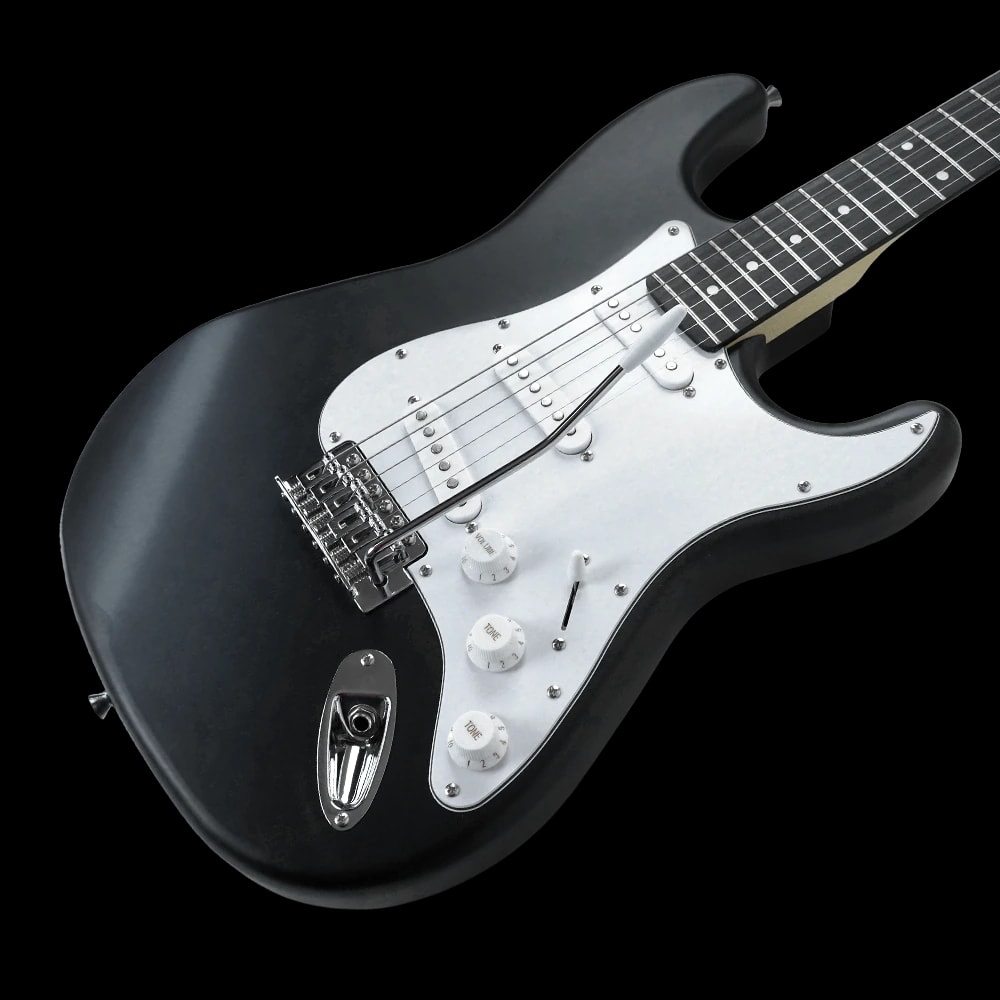
₹19,999Just starting out. Three single-coil pickups, a 5-way switch and a tremolo.
View Tennessee S-style
What is a headless guitar?
On a regular electric guitar, the strings run up the neck to the headstock, the flat piece at the top that holds six tuning pegs.
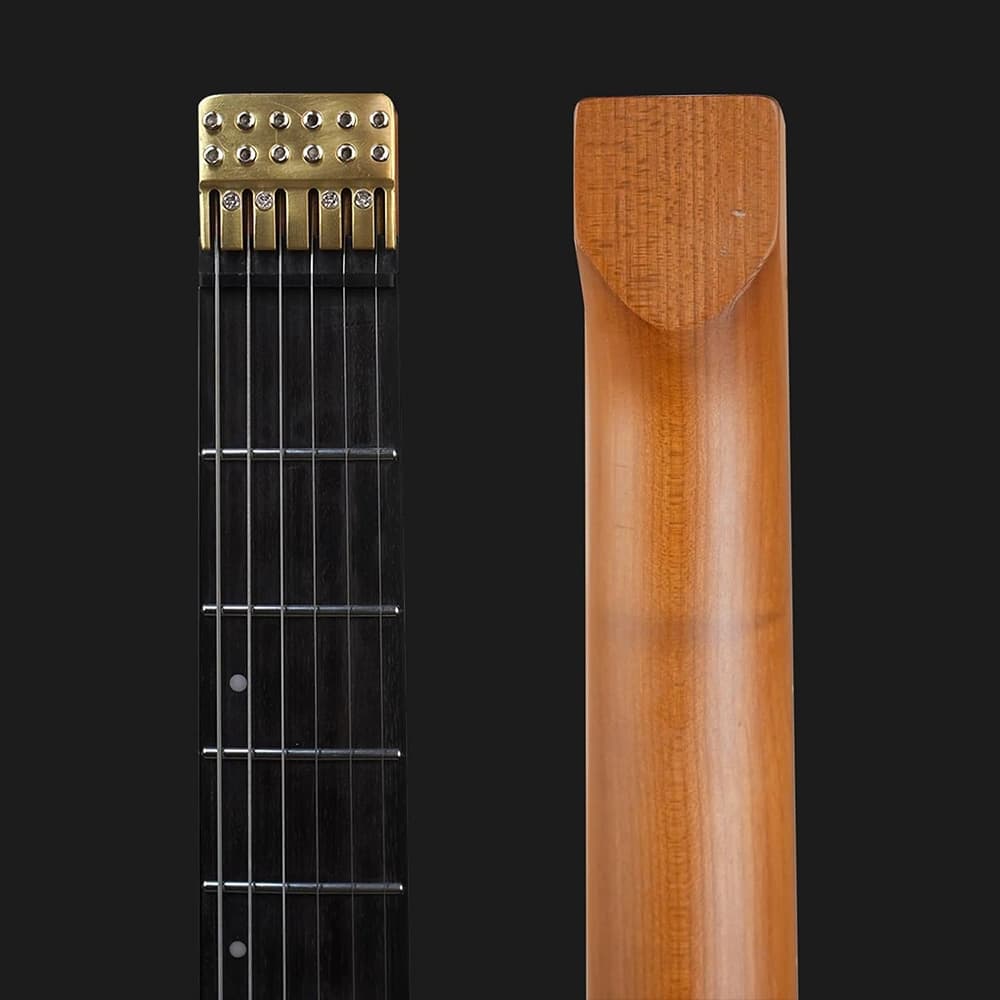
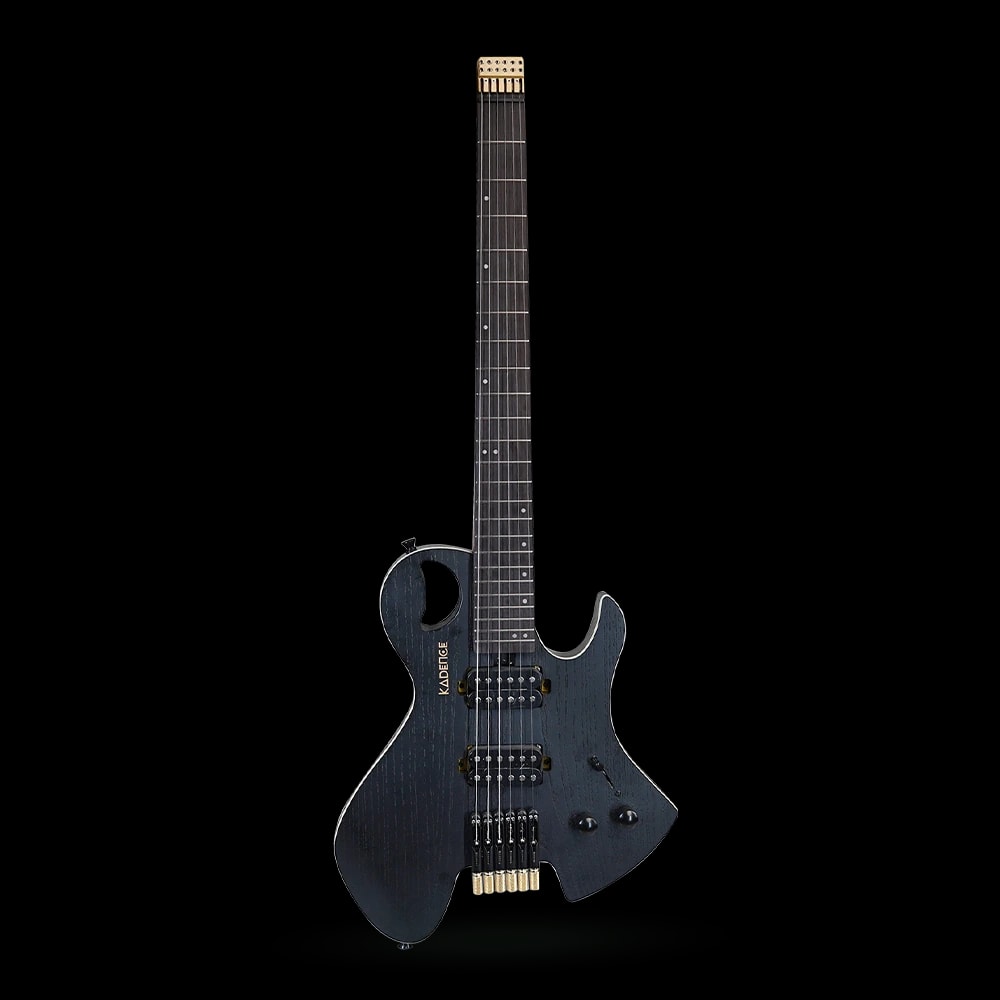
A headless guitar drops that piece. The strings are locked at the top of the neck, and you tune them with small knobs at the bridge, down on the body. The design became popular in the 1980s and has come back in a big way with modern rock, metal and progressive players.
What is the point of a headless guitar?
Better balance. A headstock with six metal tuners adds weight to the far end of the neck. On many guitars, that weight pulls the neck down when you let go on a strap. Players call this neck dive. Take the headstock away and the guitar hangs level, so your fretting hand plays instead of holding the neck up.
Easier on your shoulder. With less weight hanging off the end of the neck, long practice sessions and gigs are less tiring.
Steadier tuning. Headless tuners grip the string close to the bridge, so there is less loose string to stretch and slip. On most designs, that means the guitar holds its tune better.
The look. It is compact, modern and stands out on stage. Some people buy one for this reason alone, and that is fine too.
What are the downsides?
We would rather you know these before you buy than after.
- Strings: some headless systems need special strings with a ball at both ends, and most local shops in India do not stock them. Check this before you buy. The Kadence HL01 takes regular strings, so any music shop can restring it.
- Wall hangers: a normal wall hook grips the headstock, so it will not work here. Use a floor stand.
- Clip-on tuners: there is no headstock to clip one onto. A tuner app or a pedal tuner does the job.
- Taste: the look splits opinion. Some people love it and some find it odd.
How do you tune a headless guitar?
On most headless guitars, each string has its own tuning knob at the bridge. Turning the knob tightens or loosens the string, the same job a tuning peg does on a regular guitar. At the other end, a small clamp at the top of the neck holds the string in place. Tune to standard E A D G B E with a tuner app or a pedal tuner.
Headless vs regular electric guitar: what is different?
| Headless guitar | Regular electric guitar | |
|---|---|---|
| Where you tune | Knobs at the bridge | Tuning pegs on the headstock |
| Balance on a strap | Sits level | Neck can dip on some models |
| Hanging it up | Floor stand | Wall hook or stand |
| Tuner | App or pedal tuner | Clip-on works |
| Best suited to | Rock, metal, prog, lead playing | Every style |
What should you check before buying a headless guitar?
Headless guitars are still a niche in India, and most of what you will find are imports. Whatever your budget, check these five things before anything else:
- Solid body wood. Plywood or pressed layers sound flatter and sustain less.
- 24 frets. A lot of the appeal of a headless guitar is lead playing, so you want the full range.
- Humbuckers. Single-coil pickups hum under distortion, which is where most headless players spend their time.
- What is in the box. A gig bag that fits a headless shape is not always easy to find separately.
- Regular strings. If a headless guitar needs special double-ball strings, every string change turns into an online order. One that takes regular strings can be restrung at any music shop.
The Kadence HL01 ticks all five, and here is what it gives you.
What do you get with the Kadence HL01?
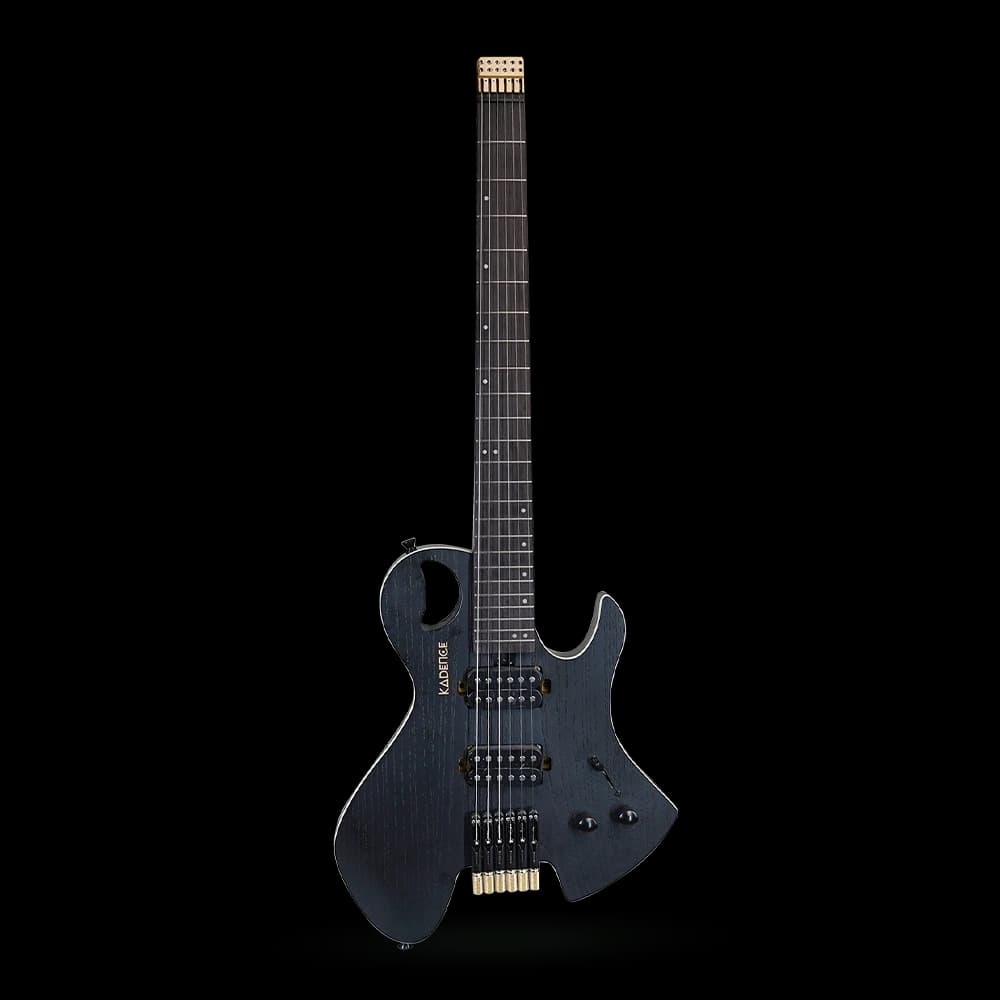
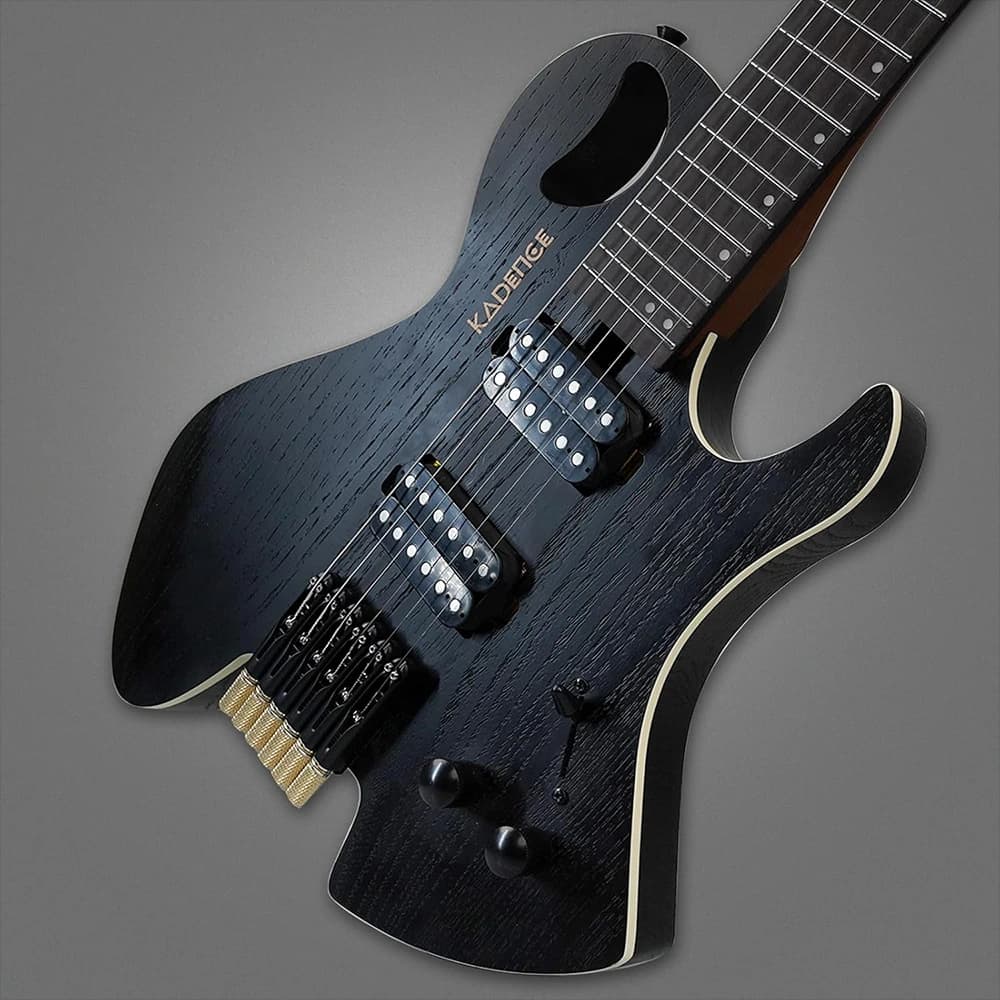
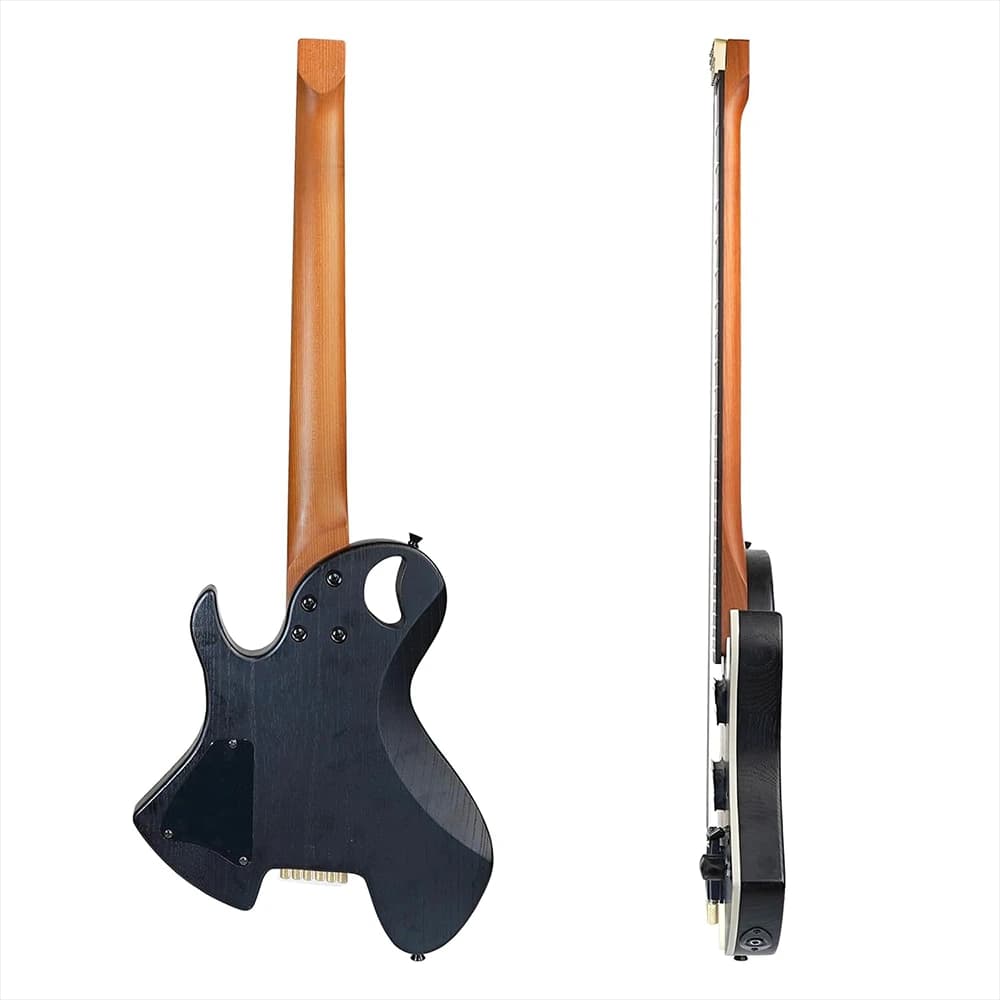
Solid ash body. The body is solid wood, not layers pressed together. Ash is a firm wood with a bright, clear top end and a tight low end, and notes ring for a long time.
Bolt-on Canadian maple neck. The neck is fixed to the body with screws. That makes it easy for a technician to adjust or service later. Maple is stiff, which gives each note a sharp, clean start, and that helps with fast riffs.
Rosewood fretboard with 24 frets. Twenty-four frets give you two full octaves on every string. The top frets sit clear of the body, so reaching the high notes in a solo is easy.
26-inch scale length. Scale length is the distance the string vibrates, from the top of the neck to the bridge. A Stratocaster is 25.5 inches and a Les Paul is 24.75 inches. The HL01's slightly longer 26-inch scale keeps the strings a little tighter. That helps when you tune down to Drop D, because the low strings stay firm and do not go floppy.
Two humbuckers (HH). A humbucker is a pickup made of two coils that cancel out the electrical hum a single pickup can catch. You get a thicker, louder sound with less background noise, which is exactly what you want with distortion. They are passive, so there is no battery to replace.
3-way switch, 1 volume, 1 tone. The switch picks the neck pickup (warmer, good for solos), the bridge pickup (sharper, good for riffs), or both. The controls are kept simple.
C-shape neck, 43 mm nut. The back of the neck is a rounded C shape, which fits most hands. At 43 mm, the neck is a standard width at the top.
Set-up out of the box. The strings sit at about 2 to 2.5 mm above the 12th fret, a comfortable middle ground that suits most players. It ships with 10 to 46 gauge strings, the standard electric set.
Takes regular strings. Unlike many headless designs, the HL01 uses the same single-ball-end strings as any regular electric guitar. When a string breaks, you can pick up a replacement at your local music shop.
Fixed bridge. The bridge is fixed flat to the body and does not move, so there is no whammy bar. In return, the guitar stays in tune through string bends and hard strumming, and restringing is simpler.
Matte black finish, gig bag and cable. You can plug in and play as soon as it arrives.
Warranty. It comes with a 1-year manufacturing defect warranty and a 7-day replacement window, and no-cost EMI is available.
The one we would pick
Beginner · Headless · 39 inch
Who should buy the HL01, and who should not?
It makes sense if you:
- have been playing for a while and want to move up from your first guitar
- play rock, blues-rock, metal or progressive music
- jam, gig or record, and move around while you play
- spend a lot of time on solos, or like tuning down to Drop D
It is not the right pick if:
- this is your very first guitar. Start with our Tennessee S-style at ₹10,499 or T-style at ₹9,999, and come back to the HL01 when you outgrow it.
- you mostly play clean pop or strum chords. A regular electric with single-coil pickups will suit you better.
What we would pick
Beginner · ST · 39 inch
Intermediate · Classic T · 39 inch
Common questions
What is a headless guitar?
A guitar with no headstock at the top of the neck. The strings are locked at the top of the neck, and you tune them with small knobs at the bridge, down on the body.
What are the advantages of a headless guitar?
Better balance on a strap, so the neck does not dip. Less weight on your shoulder through long practice and gigs. Steadier tuning, because there is less loose string to stretch and slip. And a compact look that stands out on stage.
What are the downsides of a headless guitar?
Some models need special double-ball strings that most local shops in India do not stock. A normal wall hook will not hold it, so you need a floor stand. A clip-on tuner has nowhere to clip, so use a tuner app or a pedal tuner. And the look splits opinion.
Do headless guitars need special strings?
Some do. Check before you buy. The Kadence HL01 takes the same single-ball-end strings as any regular electric guitar, so any music shop can restring it.
How do you tune a headless guitar?
Each string has its own tuning knob at the bridge. Turning it tightens or loosens the string. Tune to standard E A D G B E with a tuner app or a pedal tuner.
Is a headless guitar good for beginners?
If this is your very first guitar, a regular electric like the Kadence Tennessee S-style or T-style makes more sense. Come back to a headless guitar like the HL01 when you outgrow it.
What is the price of a headless guitar in India?
Headless guitars are still a niche in India, and most are imports. The Kadence HL01 is ₹22,999, with a gig bag and cable included, a 1-year manufacturing defect warranty and a 7-day replacement window. No-cost EMI is available.
Quick Recap: Is a Headless Guitar Worth It?
Check out the Kadence HL01 here
#Letsmusic
See all electric guitars